In an era where seamless communication defines competitive edge, the evolution of business phone services is reshaping how companies connect, serve customers, and grow. Is reliable connectivity truly the backbone of success, or are innovative digital solutions revolutionizing organizational resilience? This exploration reveals how modern systems—from cloud-based VoIP to AI-enhanced features—deliver unparalleled flexibility, security, and professionalism. As businesses transition from traditional landlines to scalable, disaster-proof platforms, they unlock streamlined workflows, elevate customer experiences, and safeguard sensitive data. But beyond technology, what does the future hold? With rapid advancements like 5G and intelligent automation on the horizon, companies must ask themselves: Are they prepared to harness these innovations to stay ahead? Embracing these transformative tools isn’t just an upgrade—it’s a strategic imperative that determines whether organizations will thrive or fall behind in an increasingly connected digital landscape.
Article Contents
Boost Your Business Communications with FiberConX’s VoIP Solutions in Canada
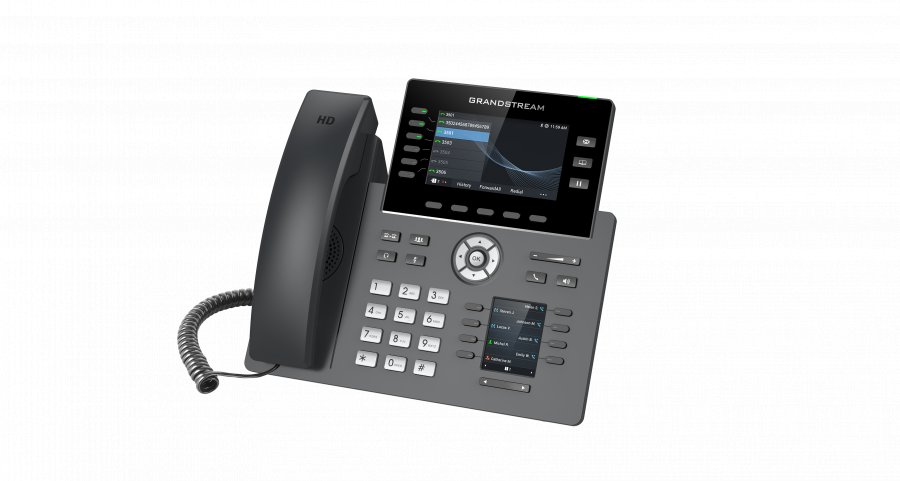
Enhance your company’s communication capabilities with FiberConX Communications, a leading provider of business phone services in Canada. Specializing in VoIP and IP Business phone services, FiberConX offers advanced features such as voicemail, IVR, Ring Groups, and voicemail-to-mail, ensuring seamless connectivity and professional customer interactions. Whether you’re a growing startup or an established enterprise, FiberConX’s reliable solutions help streamline your operations and improve client engagement. Reach out today at 1.416.945.9210 or email [email protected] to discover how their tailored services can elevate your business communication infrastructure.
Laying the Foundation: The Critical Role of Reliable Business Communication Technologies
In today’s fast-moving business landscape, reliable communication isn’t just a convenience—it’s the foundation of daily operations. Companies depend on clear, consistent channels to connect teams, serve customers, and keep workflows flowing smoothly. When communication breaks down, whether through dropped calls or delays, the ripple effects can be costly: missed opportunities, frustrated clients, and internal confusion. Investing in dependable systems isn’t just smart; it’s essential for maintaining professionalism and staying competitive.
Over the years, the way businesses communicate has undergone a dramatic shift. From traditional landlines to internet-based platforms, each advancement has aimed to increase flexibility, reduce costs, and improve user experience. Moving away from old copper-wire systems toward digital solutions like Voice over Internet Protocol (VoIP) has revolutionized connectivity, enabling companies to communicate more efficiently across locations. These tools support features such as call forwarding, video conferencing, and auto-attendants, making collaboration seamless.
Modern communication tools also shape how customers perceive a business. Fast, reliable responses foster trust and loyalty, which are vital in crowded markets. Features like smart call routing ensure callers reach the right person quickly, creating a positive first impression. Small businesses can project a larger, more professional image by leveraging these capabilities, helping them compete with bigger rivals.
Scalability is another key benefit. As organizations grow, their communication needs become more complex. Cloud-based platforms allow easy addition of new lines, features, or locations without hardware upgrades. This flexibility ensures that communication keeps pace with expansion, without causing disruptions. During unexpected events or outages, these systems can reroute calls automatically, maintaining operations and customer trust.
Security and compliance have become increasingly important in digital communication. Modern platforms include encryption, call recording, and data retention features that protect sensitive conversations. These tools help organizations meet industry standards and safeguard confidential information. Building trust with clients and partners depends on such safeguards, especially in regulated sectors like finance and healthcare.
The shift from landlines to internet-based systems isn’t just a technological upgrade—it’s a strategic move. These platforms offer unmatched reliability and resilience, supporting business continuity in any situation. Their ability to scale, adapt, and secure communications makes them a cornerstone for future-ready organizations. As technology advances, businesses that prioritize dependable communication will stay ahead, connecting seamlessly in an ever-evolving digital world.
Core Concepts Unveiled: The Technologies Powering Modern Business Phone Systems
Modern business phone systems are built on digital technologies that have fundamentally transformed how companies communicate. At the heart of these systems is Voice over Internet Protocol (VoIP), which converts voice signals into data packets that travel over the internet. This shift from traditional landlines to digital transmission not only reduces costs but also unlocks a wide array of features that enhance flexibility and efficiency. With VoIP, managing multiple lines, forwarding calls, and integrating voicemail with email becomes straightforward, streamlining daily operations.
Unlike the old copper-wire landlines, modern systems leverage cloud infrastructure, hosting communication tools on remote servers. This setup makes it easy to scale up or down as needed, which is especially valuable for growing businesses or those experiencing fluctuating call volumes. Cloud-based platforms also allow administrators to configure, troubleshoot, or update systems remotely, saving time and avoiding costly on-site hardware. This flexibility supports the increasingly hybrid and remote work environments organizations embrace today.
Security is a key concern for digital communication, and modern platforms address it with encryption protocols, secure call recording, and data retention features. These tools help protect sensitive conversations and ensure compliance with industry standards, giving organizations confidence to adopt internet-based solutions without risking confidentiality. This emphasis on security and compliance is essential, especially in sectors like finance, healthcare, and legal services, where data protection is mandated.
Advanced features have become standard in contemporary systems. Auto-attendants greet callers and direct them efficiently, freeing up staff for higher-value tasks. Call routing ensures that inquiries reach the right person quickly, reducing wait times and enhancing customer experience. Voicemail-to-email converts missed calls into accessible digital messages, while mobile integration keeps employees connected on their smartphones, whether working from home or on the go.
The evolution from traditional landlines to cloud-based, digital systems isn’t just a technological upgrade—it’s a strategic move. These platforms offer unmatched reliability, scalability, and security, supporting long-term growth and resilience. They enable quick adaptation during disruptions, rerouting calls seamlessly and maintaining business continuity. This foundation of digital innovation helps organizations stay agile and responsive in an increasingly connected world.
By adopting these modern communication tools, companies position themselves for future success. The core concepts—digital transmission, cloud hosting, security, and advanced features—are shaping the way businesses engage internally and externally. They foster a more flexible, secure, and efficient communication environment that aligns with today’s fast-paced market demands. Understanding these fundamentals is vital for any organization aiming to leverage technology for competitive advantage.
As technology continues to evolve, the importance of a solid digital backbone becomes even clearer. Innovations such as unified communications, artificial intelligence, and 5G connectivity are building on this foundation, making business phone systems smarter and more integrated. Staying informed about these core concepts ensures organizations can harness new opportunities and mitigate potential risks effectively.
In summary, mastering the core principles behind current business phone systems—digital technology, cloud infrastructure, security, and scalability—sets the stage for ongoing innovation. These foundations empower businesses to communicate more effectively, adapt swiftly, and build stronger relationships, preparing them for the challenges and opportunities of tomorrow’s digital landscape.

Transforming Business Operations: The Impact of Modern Phone Services on Customer Experience and Efficiency
Modern phone services are reshaping how businesses operate and interact with their customers. Features like auto-attendants and smart call routing create a smooth, professional experience that reduces wait times and ensures callers reach the right person quickly. This efficiency not only leaves a positive impression but also boosts overall customer satisfaction, building trust and loyalty in competitive markets. When customers feel valued and served promptly, they’re more likely to stick around and recommend your business.
These advanced tools also streamline internal workflows. Automating routine tasks such as greeting callers and directing calls frees up staff to focus on more complex, high-value activities. As a result, response times improve, and teams become more agile, capable of adapting swiftly to changing demands. This increased efficiency allows businesses to handle higher call volumes without sacrificing quality or professionalism, supporting growth and resilience.
Cloud-based communication systems elevate scalability and disaster preparedness. Adding new lines or features is simple and quick, often just a few clicks away. During disruptions or unexpected surges in demand, these systems can reroute calls automatically, ensuring that communication remains uninterrupted. This flexibility helps organizations maintain trust and operational continuity, even in challenging circumstances, making them more resilient against outages or crises.
Beyond operational gains, these technologies enhance a company’s image. Modern auto-attendants, branded greetings, and polished call handling create a perception of reliability and professionalism that can influence customer decisions. A well-managed phone system signals that a business is serious, organized, and capable—traits that set you apart in crowded markets. This strategic advantage often translates into increased customer retention and new business opportunities.
Security and compliance features have become crucial in today’s digital landscape. Encrypted calls, detailed call records, and secure data retention protect sensitive information and meet industry standards. These safeguards build trust with clients and partners, especially in sectors like healthcare and finance, where confidentiality is non-negotiable. Investing in secure communication tools reassures stakeholders that their interactions are private and protected.
In essence, modern phone services do more than facilitate conversations; they fundamentally improve how businesses connect, serve, and grow. By delivering faster, more personalized customer experiences and supporting streamlined operations, these tools help organizations stay competitive and adaptable. As technology continues to evolve, embracing these innovations ensures that communication remains a strategic asset—driving success in an increasingly connected world.
For businesses looking to maximize these benefits, selecting the right business phone service is essential. Exploring options like business phone service can provide tailored solutions that align with specific operational needs, ensuring you leverage the full potential of modern communication technologies.
Building Resilience: Practical Steps for Implementing Reliable Business Communication Solutions
Deploying a reliable business communication system starts with a clear understanding of your organization’s specific needs. Assess call volume, remote work requirements, and essential features like auto-attendants or call routing. This initial step helps you select a platform that can grow with you, avoiding unnecessary complexity or costs. A well-planned approach reduces surprises during deployment and ensures your technology aligns with your long-term goals.
Choosing the right provider is critical. Look for reputable vendors specializing in cloud-based VoIP solutions, and check their track record for uptime, security, and support. Request demos or trial periods to see how their systems perform in real-world conditions. Making an informed decision upfront saves time, money, and frustration later, especially if issues arise or upgrades are needed.
During deployment, focus on installing compatible hardware such as IP phones or softphone apps, and configuring your network to prioritize voice traffic through Quality of Service (QoS) protocols. Proper setup minimizes call disruptions caused by network congestion and ensures clear, uninterrupted conversations. Integrating the new system with existing tools, like customer relationship management (CRM) software, can streamline workflows from day one, boosting overall efficiency.
Redundancy safeguards your communication channels. Implement backup internet connections or failover systems so calls can be rerouted instantly if your primary connection drops. Regular testing of these failover mechanisms keeps them ready for real disruptions, preventing costly downtime. Building this resilience into your setup ensures your organization remains connected during unexpected outages.
Staff training is often overlooked but vital. Provide clear instructions and hands-on practice to help employees understand how to use new features securely. Educate them on safeguarding login credentials and recognizing threats like phishing. When your team feels confident with the system, it operates more smoothly, reducing user errors and security risks.
Ongoing review and maintenance keep your communication infrastructure running at peak performance. Monitor system performance, gather user feedback, and stay current with software updates. Regular audits of security settings and backup procedures help catch issues early, minimizing downtime. Staying proactive ensures your system remains reliable, scalable, and compliant with evolving standards.
Implementing a robust communication system isn’t a one-time task; it’s an ongoing process. Careful planning, selecting the right partners, and continuous vigilance build a resilient, secure, and scalable platform. This foundation supports growth and adaptability, helping your business stay connected and competitive in today’s fast-changing environment.

Looking Ahead: Future Trends and Strategic Insights for Secure, Adaptive Business Communication
The future of business communication is being reshaped by a wave of innovative technologies that promise to redefine connectivity. Artificial intelligence is increasingly integrated into phone systems, enabling smarter call routing, voice recognition, and personalized customer interactions. These features not only streamline operations but also create a more natural conversational experience, helping organizations deliver higher-quality service without adding complexity for users.
At the same time, the rollout of 5G networks is set to revolutionize connectivity. Faster, more reliable internet connections will support high-definition video calls, real-time collaboration, and seamless remote work. As these networks expand, the distinction between in-office and remote communication continues to fade, fostering a unified, flexible working environment. This technological leap empowers teams to stay connected and productive regardless of location or circumstances.
Security remains a top priority amid rapid technological advances. Innovations in encryption, threat detection, and data protection are becoming standard, ensuring sensitive conversations stay private and compliant with industry standards. These improvements not only safeguard organizational data but also reinforce trust with customers and partners, who increasingly expect confidential and secure interactions.
The shift towards cloud-based platforms shows no signs of slowing. These solutions offer unmatched scalability, allowing businesses to quickly add users, features, or locations without hardware upgrades. During disruptions or sudden demand spikes, cloud systems can reroute calls and maintain operations seamlessly, significantly boosting resilience. This agility is crucial in a landscape where unexpected challenges are common and adaptability is key to survival.
As digital transformation accelerates, organizations are recognizing that investing in intelligent, secure, and flexible communication systems is essential for sustained success. Companies that embrace these trends now will be better equipped to meet evolving customer expectations, enhance internal productivity, and maintain a competitive edge. Staying ahead means actively adopting innovations that improve reliability and responsiveness, rather than simply reacting to changing circumstances.
Combining AI-driven tools with next-generation connectivity will make business communication smarter, faster, and more secure. These advancements will facilitate more personalized, efficient interactions, helping organizations respond swiftly to market shifts and customer needs. The focus should shift from mere adaptation to strategic integration of emerging technologies for long-term growth.
Building on a foundation of digital and cloud-based solutions, businesses will future-proof their operations by creating resilient communication channels. This approach enables agility in the face of disruptions and fosters continuous innovation. Organizations that proactively leverage these developments will not only survive but thrive in an increasingly connected world.
Looking ahead, those who harness these innovations today will shape the future of workplace communication. By integrating AI, 5G, and advanced security measures, companies can ensure their connectivity remains robust, secure, and adaptable. Embracing this evolution is no longer optional; it’s the key to maintaining relevance, building trust, and unlocking new opportunities in a fast-changing digital landscape.