In an era where seamless communication is fundamental to business success, the evolution from traditional landlines to sophisticated VoIP and cloud-based systems has transformed how companies connect with clients and collaborate internally. But does embracing these advanced features truly give organizations a competitive edge, or are they simply technological luxuries? Modern tools offer significant benefits: cost savings, scalability, security, and a polished professional image that enhances customer trust. They enable remote work, quick adaptation to growth, and resilience during disruptions—factors critical in today’s fast-paced market. Yet, as future innovations like AI, 5G, and integrated ecosystems emerge, businesses face the challenge of leveraging these advancements without losing sight of security and personalized service. The question remains: will adopting the latest communication technologies be the key to long-term resilience, or merely a fleeting trend? One thing is clear—reliable, modern communication is reshaping the landscape of success.
Transform Your Business Communications with FiberConX’s Advanced VoIP Solutions
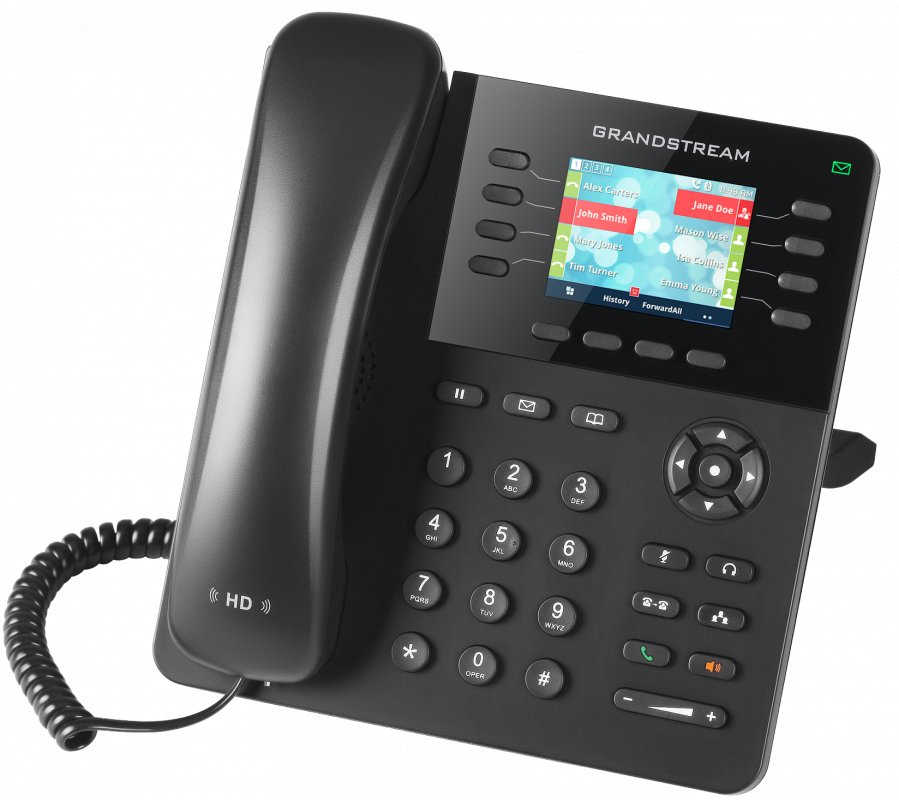
Enhance your business communications with FiberConX Communications, a leading provider of business voip services in Canada. Specializing in VoIP and IP Business phone solutions, FiberConX offers features like voicemail, IVR, Ring Groups, and voicemail-to-mail, ensuring seamless and professional communication. Whether you’re looking to improve call management or provide your clients with a modern, reliable phone system, FiberConX has the expertise to deliver tailored solutions. Reach out to their team at [email protected] or call 1.416.945.9210 to learn more about how their VoIP services can transform your business operations.

Unlock the Power of Reliable Business Communication Technologies
In today’s fast-moving business world, clear and reliable communication isn’t just a convenience—it’s essential. Companies rely on instant connections to coordinate teams, serve customers, and stay ahead of competitors. When communication lines break down, operations can stall, and relationships with clients or partners can suffer, making dependable systems a top priority.
Modern business communication tools have come a long way from the days of traditional landlines. Today’s solutions use the internet to support voice calls, video meetings, messaging, and collaboration—all integrated into one flexible platform. This shift has transformed how companies stay connected, regardless of where their employees are located, enabling seamless interaction across distances.
Switching to internet-based systems also offers significant cost benefits. Cloud platforms reduce hardware expenses and cut long-distance charges, especially for international calls. They allow businesses to easily scale up or down—adding lines or features with a few clicks—supporting growth without disruptive hardware changes. This flexibility makes it easier for organizations to adapt quickly as their needs evolve.
Security and compliance have become key concerns in modern communication. Today’s platforms incorporate encryption, call recording, and access controls to safeguard sensitive conversations and meet industry regulations like GDPR or HIPAA. Such features help build trust with clients and protect confidential data from cyber threats.
Beyond technology, these tools shape how companies present themselves. Features like auto-attendants, call routing, and personalized greetings create a professional image that reassures customers and enhances their experience. Small businesses can project the appearance of a larger, more established organization, improving credibility and customer confidence.
Reliable communication systems are vital not just for daily operations but for long-term success. They enable faster decision-making, better collaboration, and improved customer satisfaction. As the digital landscape continues to evolve, understanding these foundational technologies helps organizations stay competitive and resilient in a rapidly changing environment.
Tracing the Evolution from Landlines to VoIP Revolution
The way businesses communicate has evolved dramatically over the decades, starting with simple landline phones. In the early days, companies relied heavily on traditional copper-wire systems for voice calls. While dependable, these setups offered limited features and flexibility, often requiring physical hardware and on-site management. Their reliance on fixed infrastructure meant upgrading or expanding was costly and time-consuming.
As technology progressed, digital telephone systems emerged, bringing clearer sound quality and features like call transferring, hold, and voicemail. These systems improved professionalism and efficiency but remained largely standalone, operating independently without much integration. They laid the foundation for more advanced communication solutions, demonstrating the need for greater flexibility.
The real game-changer arrived with Voice over Internet Protocol, or VoIP, which routed voice calls over the internet instead of dedicated phone lines. This shift significantly reduced costs, especially for long-distance and international calls, making advanced communication tools accessible to businesses of all sizes. VoIP introduced features such as call forwarding, voicemail-to-email, and conference calling, transforming internal and external communication.
Moving from traditional landlines to internet-based systems was about more than saving money. It opened the door to scalability and flexibility previously unavailable. Cloud-based VoIP platforms emerged, allowing organizations to manage their systems remotely via online dashboards. Businesses could add or remove lines, change features, and update settings easily, supporting rapid growth and adaptation without hardware disruptions.
Today, cloud technology dominates business communication, offering high reliability and easy management. These platforms support disaster recovery by rerouting calls if hardware fails, ensuring continuous connectivity. This resilience is vital in today’s fast-paced, highly competitive markets, where downtime can mean lost opportunities.
The evolution of business phone systems reflects a shift toward integrated, digital ecosystems that support remote work, global connectivity, and advanced features. What started as a simple voice call has become a sophisticated platform capable of powering entire communication networks. This ongoing transformation continues to reshape how companies connect, collaborate, and stay competitive in the digital age.

Harnessing the Advantages of Modern Business Phone Services
Modern business phone services deliver a host of tangible benefits that can transform how companies operate and grow. One of the most immediate advantages is cost savings. Transitioning from traditional landlines to VoIP and cloud-based systems significantly reduces expenses related to hardware and long-distance calls, especially for international communication. This affordability allows organizations of all sizes to maintain reliable contact without stretching their budgets, making growth more feasible and less risky.
Beyond financial savings, these systems elevate a company’s professional image. Features like auto-attendants, call routing, and personalized greetings create a seamless, polished customer experience. Customers appreciate quick, organized responses, which foster trust and satisfaction. Even small businesses benefit from projecting the appearance of a larger, more established entity, giving them a competitive edge in crowded markets.
Flexibility is another key benefit. Cloud-based platforms enable quick adjustments—adding new lines, changing features, or scaling operations—without the need for costly hardware upgrades or service disruptions. Employees can stay connected from anywhere, whether they’re in the office, working remotely, or on the move. This mobility ensures teams respond swiftly, maintaining high levels of customer service and collaboration regardless of location.
Security features embedded in modern systems are crucial, especially as cyber threats grow more sophisticated. Encryption, call recording, and strict access controls protect sensitive conversations and help organizations meet industry standards like GDPR or HIPAA. This focus on security not only safeguards data but also builds customer confidence, demonstrating a commitment to privacy and compliance.
Finally, these advanced features streamline workflows and improve overall efficiency. Automated call handling, smart routing, and tailored greetings reduce staff workload and shorten customer wait times. This means faster responses, happier clients, and more opportunities for sales and relationship building. Investing in modern phone services isn’t just about technology; it’s a strategic move to boost reputation, foster loyalty, and support long-term success in a competitive landscape.
For businesses looking to upgrade their communication infrastructure, exploring options like a voip phone service can be highly beneficial. These solutions offer enhanced flexibility, cost savings, and security features that are essential for modern operations. By choosing a reliable provider, companies can ensure seamless communication and stay ahead in today’s competitive market.
Real-World Success Stories: How Modern Phones Transform Business Outcomes
Modern business phone services translate technological features into tangible results that directly impact a company’s success. For instance, auto-attendants and intelligent call routing help reduce wait times, creating a smoother experience that leaves customers feeling valued. When clients are efficiently directed to the right department or person, their trust in the business deepens, often leading to increased loyalty and repeat interactions.
Remote teams leveraging mobile integrations notice a significant boost in responsiveness. Employees can answer inquiries from anywhere—whether they’re in the office, at home, or on the road—ensuring that customer questions are addressed promptly. This flexibility keeps service levels high outside traditional hours, fostering stronger client relationships and positive reviews that can drive growth.
Cloud-based systems also make scaling easier. Companies can add new lines or features quickly as they grow, without the need for costly hardware upgrades. During peak times or unexpected disruptions, calls can be rerouted seamlessly to backup lines or mobile devices, maintaining continuous service. This resilience minimizes downtime and keeps operations running smoothly, even in challenging situations.
Security features embedded in modern systems play a crucial role in safeguarding sensitive conversations. Encryption, call recording, and strict access controls ensure compliance with industry standards like GDPR and HIPAA. Protecting client data builds trust and prevents costly breaches, making security an integral part of the communication strategy.
Real-world success stories highlight these benefits vividly. A regional marketing firm adopted a cloud VoIP system with advanced routing, resulting in shorter wait times and a more professional customer experience. Their satisfaction scores improved, and they managed higher inquiry volumes without hiring additional staff. Similarly, a remote tech support team integrated mobile features, enabling technicians to respond swiftly from any location, strengthening client confidence.
These technological upgrades also streamline workflows. Automated call handling and tailored greetings reduce staff workload, allowing teams to focus on more complex tasks. Customers experience quicker responses and personalized service, which enhances their overall satisfaction. This efficiency often translates into increased sales, stronger client relationships, and a competitive edge in the marketplace.
Seeing how these features produce measurable outcomes makes it clear that investing in modern communication tools isn’t just about technology—it’s about actively driving business growth. Faster, more reliable service builds trust, fosters loyalty, and positions organizations to thrive amid fierce competition.

Future Trends and Innovations Shaping Business Communication
Looking ahead, the future of business communication is poised for transformative shifts driven by cutting-edge technologies. Artificial intelligence, for instance, is expected to become a core element, with AI-powered voice assistants handling routine inquiries, freeing up staff for more complex tasks. Real-time translation capabilities will also break down language barriers, enabling companies to serve a global audience more effortlessly. These tools will make interactions more efficient, personalized, and accessible, fundamentally changing how businesses engage with customers and partners.
The rollout of 5G networks promises to revolutionize connectivity, supporting faster, more reliable video calls, high-quality virtual meetings, and seamless data sharing. This increased speed and stability will enable richer remote collaboration, including immersive virtual reality experiences and IoT-enabled smart offices. As a result, communication channels will become more dynamic and engaging, fostering deeper relationships and more responsive teamwork across distances. Businesses will find it easier to conduct virtual meetings that feel nearly as real as face-to-face interactions.
Security will continue to be a top priority as these innovations unfold. Future communication platforms are likely to incorporate biometric authentication, end-to-end encryption, and advanced access controls by default. These features will address the growing sophistication of cyber threats, ensuring conversations remain confidential and data protected. As cyber risks evolve, so will the tools designed to counter them, making security an integral part of every new development in business communication.
Integration will also take center stage, with platforms unifying voice, video, messaging, and collaboration tools into cohesive ecosystems. This consolidation reduces app-switching, boosts productivity, and ensures that no important conversation falls through the cracks. Companies will increasingly rely on these all-in-one solutions to streamline workflows, improve responsiveness, and deliver a seamless experience for employees and customers alike. Such cohesion will be essential in maintaining agility in a rapidly changing digital landscape.
Finally, data-driven insights and automation will shape smarter customer journeys and proactive service. Businesses will leverage AI analytics to anticipate client needs, personalize interactions, and deliver tailored responses in real time. This proactive approach will deepen engagement, foster loyalty, and drive growth. Embracing these innovations now positions organizations to remain competitive and resilient as the digital ecosystem continues to evolve, shaping a future where communication is more intelligent, secure, and interconnected than ever before.