Probiotics are often hailed as natural champions of digestive health, supporting everything from nutrient absorption to immune resilience. But do they truly deliver on their promises, or are they more hype than help? This in-depth exploration reveals that while certain strains can aid recovery after illness or antibiotics and ease common digestive issues, their benefits are highly individual and not universally guaranteed. Mild side effects like bloating may occur initially, and their long-term effectiveness remains uncertain. As science advances, personalized probiotic therapies and next-generation strains promise greater precision, yet many questions about safety and lasting impact linger. Can probiotic-rich foods and supplements become reliable tools to build a resilient microbiome, or are they just fleeting trends? This balanced examination encourages readers to approach probiotics thoughtfully—embracing their potential while recognizing their limitations—ultimately asking: are they a vital part of future health solutions or just fleeting wellness fads?
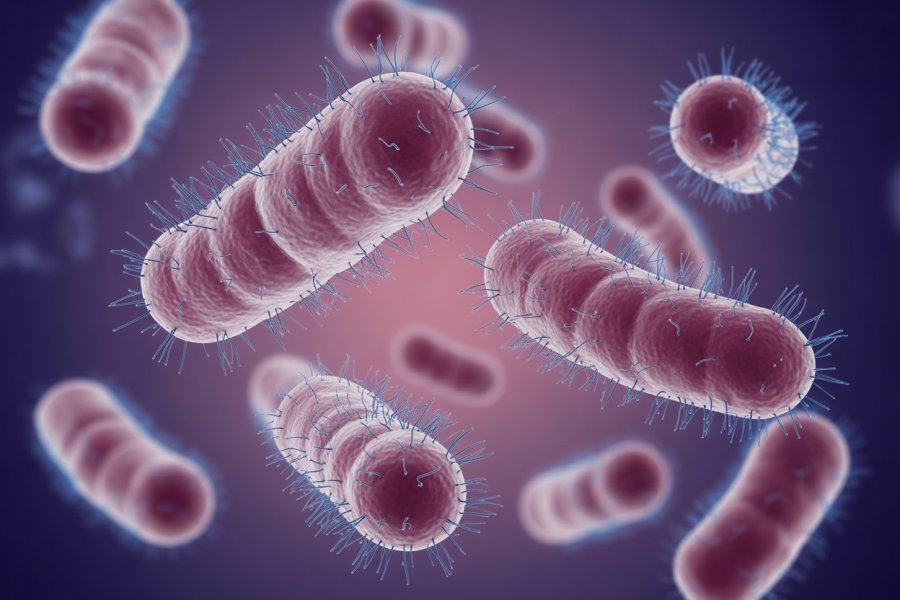
Discover the Power of Probiotics for Digestive Wellness
Probiotics have become a buzzword in health circles, and it’s easy to see why. These “good bacteria” are naturally living in our gut, playing a crucial role in keeping our digestive system running smoothly. They’re found in everyday foods like yogurt, kefir, sauerkraut, and kimchi, making it simple to include them in your diet. As more people seek natural ways to boost their health, probiotics have gained popularity as a convenient and promising option.
The idea is that by increasing the number of beneficial microbes in our gut, we can support digestion, reduce discomfort, and strengthen our immune defenses. A balanced microbiome helps break down food efficiently, absorb nutrients better, and fend off harmful pathogens. Many believe that maintaining this microbial harmony isn’t just about avoiding stomach issues—it’s connected to overall health and resilience.
In recent years, scientific research has begun to back up these claims. Studies show that certain probiotic strains can help restore balance after disruptions caused by illness or antibiotics, and may even support immune function. This has made probiotics a go-to solution for those wanting to improve their gut health naturally and proactively.
However, it’s important to approach probiotics with realistic expectations. They are not a cure-all, and their effects vary depending on the strains used and individual differences. Some people notice immediate benefits, while others may see no noticeable change. Still, incorporating probiotic-rich foods or supplements can be a simple step toward better digestion and immune health, especially in today’s fast-paced, processed-food-filled environment.
Understanding their relevance today is key. Our busy lifestyles, stress, and diets high in processed foods can disturb our gut bacteria. Taking steps to support our microbiome—like eating fermented foods or considering supplements—can help counteract these challenges. But probiotics should be part of a broader approach, including a balanced diet rich in prebiotics and fiber, which nourish the beneficial bacteria.
In essence, probiotics are a helpful tool in supporting gut health, but they’re not magic. When used thoughtfully, they can complement a healthy lifestyle and improve digestion. Recognizing their role as part of a bigger picture ensures we make informed choices, reaping the benefits without overestimating their power. This sets a solid foundation for exploring how probiotics work, their specific benefits, and how to choose the right strains for your needs.
Understanding the Benefits and Limitations of Probiotics
Probiotics are celebrated for their ability to support digestive health by maintaining a balanced gut microbiome. When beneficial bacteria thrive, digestion becomes smoother, and issues like bloating, gas, or irregularity often diminish. Certain strains have proven effective in restoring balance after disruptions caused by illness or antibiotics, making them valuable allies during recovery. Beyond digestion, probiotics are linked to immune support; a healthy gut barrier helps fend off harmful pathogens and bolsters immune responses, contributing to overall resilience.
However, not all probiotics deliver the same benefits. Their effects depend heavily on the specific strains used, and individual responses can vary widely. For some, a particular probiotic may significantly improve symptoms, while others see little effect. This variability means choosing the right strain often involves some trial and error, especially since each person’s gut microbiome is unique. It’s not a one-size-fits-all solution, and expectations should be realistic.
Side effects are usually mild but worth noting. When first starting probiotics, some people experience temporary bloating, gas, or stomach discomfort. These symptoms typically pass within a few days as the body adjusts. For those with weakened immune systems or underlying health issues, however, probiotics can pose risks, such as infections or adverse reactions. Consulting a healthcare professional before beginning supplementation is wise to ensure safety.
The limitations of probiotics extend beyond individual responses. While short-term studies show promising results, long-term effects remain less clear. Maintaining benefits over months or years isn’t guaranteed, and the impact may depend on consistent use and lifestyle factors. Moreover, research into how probiotics interact with the complex microbiome is still evolving, highlighting that they are not a cure-all but rather a supportive tool.
The role of probiotics in aiding recovery after antibiotics is particularly notable. Antibiotics can wipe out both harmful and beneficial bacteria, leaving the gut vulnerable to imbalance. Taking probiotics during or after treatment can help reintroduce helpful microbes and speed up recovery. Still, their effectiveness depends on selecting appropriate strains, dosage, and timing, emphasizing the importance of informed choices.
While probiotics can be a helpful supplement, they shouldn’t replace other healthy habits. A diet rich in prebiotics—fiber from fruits, vegetables, and whole grains—nourishes the beneficial bacteria and enhances probiotic effects. Regular consumption of probiotic foods or supplements, aligned with a balanced diet, creates a more resilient and diverse microbiome, boosting overall gut health.
In the end, probiotics are a useful but imperfect tool. Their success hinges on selecting the right strains, dosing properly, and integrating them into a healthy lifestyle. Recognizing their limitations and individual variability ensures they support your gut health effectively, rather than promising instant fixes. When used thoughtfully, probiotics can be a valuable part of your health routine, complementing diet, exercise, and other wellness habits.

Unveiling Scientific Evidence and Practical Insights on Probiotics
Research into probiotics has advanced rapidly, giving us clearer insights into how specific strains can truly support health. Many studies confirm that certain probiotics effectively reduce antibiotic-associated diarrhea, strengthen immune responses, and alleviate common digestive issues like bloating or irregularity. However, these benefits often depend on choosing the right strains for particular conditions, which isn’t always straightforward. Different formulations perform better for different problems, and individual responses can vary widely, making personalized approaches essential.
In real life, probiotics don’t always deliver the same results as in clinical trials. Factors such as your unique microbiome, diet, and lifestyle play significant roles in determining their effectiveness. Someone might find a probiotic speeds up recovery from a stomach upset, while another person may notice little change. This variability underscores that probiotics aren’t a universal fix but tools that work best when tailored to individual needs.
Scientists analyze probiotics using multiple frameworks. Some view the gut as an ecosystem, where probiotics act as agents that can shift bacterial communities toward better health. Others focus on clinical trial data, comparing how specific strains perform for targeted issues. Advances in microbiome sequencing and genomics are adding depth to this understanding, revealing how genetics, diet, and existing microbes influence responses. These tools help translate research into practical advice that’s more personalized.
Choosing the right probiotic product means paying close attention to strains and dosage. Different bacteria provide different benefits—Lactobacillus acidophilus can aid digestion, while Bifidobacterium bifidum may support immune health. Products vary in form, from capsules and powders to fermented foods, each with different potency levels. Reading labels carefully and understanding the CFUs (colony-forming units) helps ensure you’re getting a dose likely to produce results.
Real-world examples highlight how targeted probiotic use can make a real difference. For instance, children often recover faster from antibiotic-related diarrhea when taking strains like Lactobacillus rhamnosus or Saccharomyces boulardii. Adults with irritable bowel syndrome report fewer symptoms after tailored probiotic combinations. These cases demonstrate the importance of selecting strains suited to specific issues, though responses remain highly individual.
Despite encouraging evidence, gaps remain. Long-term effects of sustained probiotic use are still uncertain, and interactions with the complex microbiome aren’t fully understood. Most studies are short-term or strain-specific, so applying these findings broadly can be tricky. This uncertainty underscores that probiotics are supportive tools, not cures—they work best as part of a broader health strategy.
Ongoing research points toward personalized probiotic therapies tailored to an individual’s genetic makeup and lifestyle. Future developments may include genetically engineered strains designed for specific benefits or to target particular health conditions more effectively. As science progresses, probiotics could become more precise, making them a cornerstone of personalized medicine.
While the full potential of probiotics is still unfolding, current evidence supports their role as helpful supplements when used thoughtfully. They’re most effective when selecting appropriate strains, dosing correctly, and integrating them into a healthy lifestyle. Staying informed about emerging research ensures you can make smarter choices, maximizing benefits without overpromising. This balanced approach keeps probiotics as valuable allies in supporting overall health.
Smart Strategies to Incorporate Probiotics into Your Daily Routine
Incorporating probiotics into your daily routine can be straightforward and practical. Start by adding probiotic-rich foods like yogurt, kefir, sauerkraut, or kimchi to your meals a few times each week. These foods not only supply beneficial bacteria but also bring additional nutrients such as vitamins, fiber, and antioxidants, making them a tasty and nourishing choice. Gradually building this habit helps your gut adapt without feeling overwhelming, turning healthy choices into natural parts of your day.
If you prefer supplements, focus on selecting reputable brands that clearly list the bacterial strains and CFUs (colony-forming units). Look for products with a diverse range of strains tailored to your specific needs—whether for general health, recovery from illness, or digestive comfort. Start with a lower dose to allow your body to adjust and prevent any initial discomfort. Taking capsules or powders consistently at the same time each day helps establish a routine that your body can rely on.
Pairing probiotics with prebiotic foods amplifies their benefits. Foods high in prebiotic fibers, such as bananas, garlic, onions, oats, and whole grains, nourish the beneficial bacteria in your gut, creating a supportive environment for them to thrive. Incorporating these into your meals alongside probiotic foods or supplements strengthens your microbiome, making it more resilient over time.
Consistency is key. Integrating probiotic foods and supplements into your routine regularly—whether daily or a few times a week—helps maintain a steady level of beneficial bacteria. During stressful periods, after illness, or when making dietary changes, increasing your intake to daily can provide extra support. Even small, simple additions, like a spoonful of yogurt in the morning or a probiotic capsule with your vitamins, can build sustainable habits that benefit your gut health.
Pay attention to how your body responds, especially during the initial days. Mild bloating or gas may occur as your gut adjusts, but these symptoms are typically temporary. If discomfort persists or worsens, consider reducing your intake or consulting a healthcare professional. People with weakened immune systems or underlying health issues should seek medical advice before starting probiotics to ensure safety. By choosing quality products and integrating them thoughtfully, you support your gut health without unnecessary risks, making probiotics a practical, manageable part of your wellness routine.

Future Innovations and Reflections on Probiotic Potential
Current research is opening exciting possibilities for personalizing probiotic use. Advances in microbiome sequencing and genomics are making it possible to identify which strains work best for specific health conditions and even tailor formulations to an individual’s unique microbial makeup. This move toward precision could dramatically improve the effectiveness of probiotic interventions, shifting away from one-size-fits-all solutions to targeted therapies designed for each person’s needs.
Looking ahead, scientists are exploring innovative probiotics, including genetically engineered microbes aimed at enhancing benefits or targeting unmet health issues. These next-generation strains promise to be more resilient, produce beneficial substances more effectively, and address specific areas of health. Such developments could make probiotic treatments more reliable and potent, especially for those with complex or chronic conditions that require a more tailored approach.
Research is also expanding beyond the gut, investigating how probiotics may influence mental health, metabolism, and immune resilience. Evidence suggests that the microbiome’s impact reaches far beyond digestion, affecting many bodily systems. This broader perspective opens up new avenues for using probiotics as part of holistic health strategies, emphasizing prevention and overall well-being rather than just symptom management.
Despite these promising advances, many questions remain. The long-term effects of sustained probiotic use are still unclear, and interactions with the body’s existing microbiome are complex and not fully understood. Safety concerns, especially around genetically modified strains, also require careful oversight. As science progresses, balancing innovation with caution will be essential to ensure new products are both safe and effective.
While we await more definitive answers, current knowledge supports the idea that probiotics can be a valuable part of a healthy lifestyle when used thoughtfully. Their greatest potential lies in targeted, personalized applications—integrating them into diet and wellness routines in a way that complements other healthy habits. Staying informed about ongoing research and emerging products will help consumers make smarter choices and maximize the benefits probiotics can offer for long-term health.