In an era where home security has evolved beyond basic locks and alarms, integrated smart systems promise unprecedented control and peace of mind. But how effective are remote-controlled solutions in truly safeguarding your loved ones amid today’s unpredictable threats? This comprehensive overview reveals how cutting-edge technologies—high-definition cameras, smart locks, and automated routines—are transforming passive security into active protection. With real-time remote monitoring, instant alerts, and seamless automation, families can respond swiftly to intrusions, often before damage occurs. Yet, reliance on connectivity and the complexity of system management pose challenges, prompting questions about system resilience and cybersecurity. As these intelligent solutions become more intuitive and interconnected, they offer a future where safety adapts proactively to household routines and threats. Is your home ready to leverage these advancements, or are you leaving vulnerabilities that smarter security can solve? Embrace the potential of integrated home security to stay one step ahead in an ever-changing world.
Contents
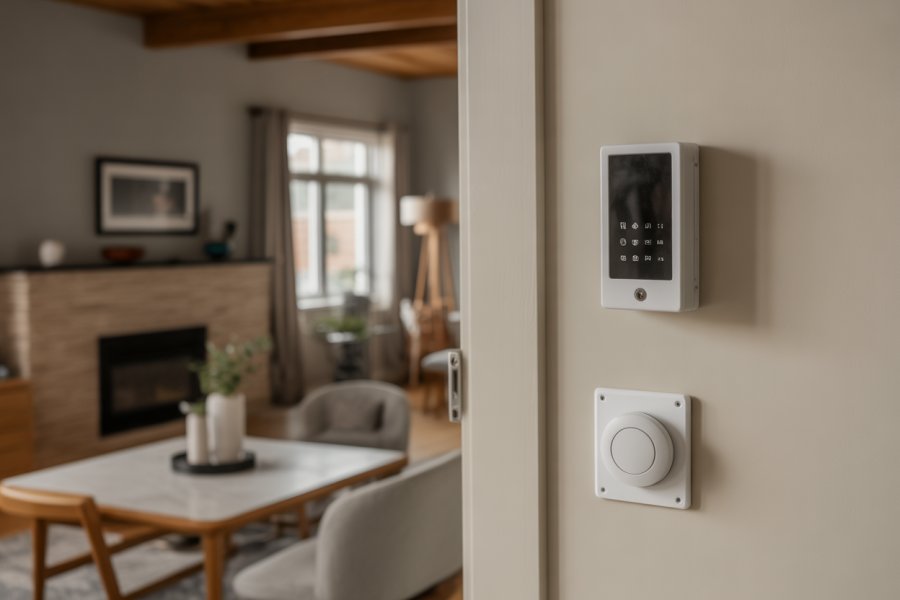
Transforming Home Security: From Locks to Smart, Remote-Controlled Systems
Home security has transformed dramatically from the days of simple locks and alarms. Today’s homes are protected by a sophisticated network of smart devices that work together seamlessly, offering more control and peace of mind than ever before. This shift isn’t just about adding gadgets; it’s about creating a layered system that responds quickly and accurately to modern threats, making security more proactive and reliable.
At the core of this evolution are technologies like high-definition cameras, which do more than record—they provide live feeds accessible from anywhere. Paired with motion sensors and door/window alarms, these tools instantly alert homeowners or security professionals to suspicious activity, often before a break-in can happen. Wireless communication makes installation straightforward, flexible, and adaptable, allowing devices to be placed almost anywhere in the home without extensive wiring.
Smart access controls have revolutionized how we manage entry. Keyless locks, fingerprint scanners, and remote-controlled smart locks enable families to grant or restrict access easily, logging every entry for added accountability. When integrated into automation platforms, these systems can lock doors, turn on lights, or send alerts according to preset routines, simplifying daily household management while heightening security.
Automation takes home security a step further by linking different devices into a cohesive network. When one component detects a threat, others respond automatically—lights can turn on, doors can lock, and alarms can sound—all working in concert to deter intruders and protect loved ones. Cloud technology supports this ecosystem by securely storing footage and logs, providing remote access and backups that keep the entire system reliable and easy to manage.
This technological leap reflects a broader trend toward smarter homes where safety, automation, and connectivity combine. By embracing these integrated, remote-controlled solutions, families gain a higher level of security that is not only more effective but also more convenient to operate. As these systems continue to evolve, they promise an even more responsive, adaptable approach to safeguarding homes in today’s unpredictable world.
Foundational Technologies: Building Blocks of Modern Home Security
Modern home security systems are built on a foundation of cutting-edge technologies that work together to keep your home safe and responsive. High-definition CCTV cameras are central to this setup, offering much more than simple video recording. Today’s cameras provide real-time remote access, night vision, and motion detection, allowing homeowners to monitor their property from anywhere via smartphone, tablet, or computer. This constant connectivity makes it easy to spot unusual activity early and respond swiftly, whether you’re at work, on vacation, or just running errands.
Alarm systems form the first line of defense, equipped with door and window sensors, motion detectors, and glassbreak sensors. These devices immediately alert homeowners or security professionals if something suspicious occurs. Modern alarms do more than produce loud sounds—they send instant notifications, enabling rapid responses that can prevent break-ins before they escalate. Designed to integrate seamlessly into larger security networks, these sensors are adaptable to various household needs, providing peace of mind around the clock.
Smart access controls have revolutionized entry management, offering keyless locks, biometric scanners, and remote-controlled smart locks. These systems let families grant or revoke access remotely, with detailed logs of every entry and exit. When connected to automation platforms, they facilitate routines like scheduled locking or unlocking, simplifying daily life while enhancing security. This combination of convenience and control ensures that managing household access is both effortless and secure.
For a related discussion, review Ophie Nelson‘s article Experience the Future of Home Security with Intelligent Remote Control Systems on Sit Tight Now.
Wireless communication technology is vital, making these systems flexible and easy to install. Wireless sensors and cameras eliminate the need for extensive wiring, allowing for placement almost anywhere in the home. Firmware updates can be pushed remotely, ensuring devices stay current with the latest features and security patches. This flexibility simplifies ongoing maintenance and upgrades, reducing vulnerabilities and keeping your security system reliable and up to date.
At the core of all these components is automation integration, which ties everything into a cohesive, intelligent system. When a sensor detects suspicious activity, connected devices—like smart lights and locks—respond automatically, creating a layered defense that deters intruders and safeguards loved ones. Cloud technology supports this ecosystem by securely storing footage and logs accessible from anywhere. Together, these innovations transform passive security measures into active protection, making modern home security smarter, more reliable, and easier to manage.
Secure Your Markham Property with F.I.S.T Security’s Expert Solutions
F.I.S.T Security is a trusted Canadian-owned and operated business proudly serving Markham, Ontario. With a reputation built on excellence, FIST Security offers comprehensive security services including intruder detection, card access, CCTV, intercoms, alarm monitoring, remote video monitoring, lighting, and environmental control. Our team goes the extra mile to ensure your safety and peace of mind, tailoring solutions to meet your specific needs. One of our key offerings is card access, providing secure and convenient entry management for your property. Whether you need security for commercial or residential spaces, FIST Security is committed to delivering reliable and professional service. Contact us today at 416.755.4233 or email [email protected] to learn more about how we can protect your assets.
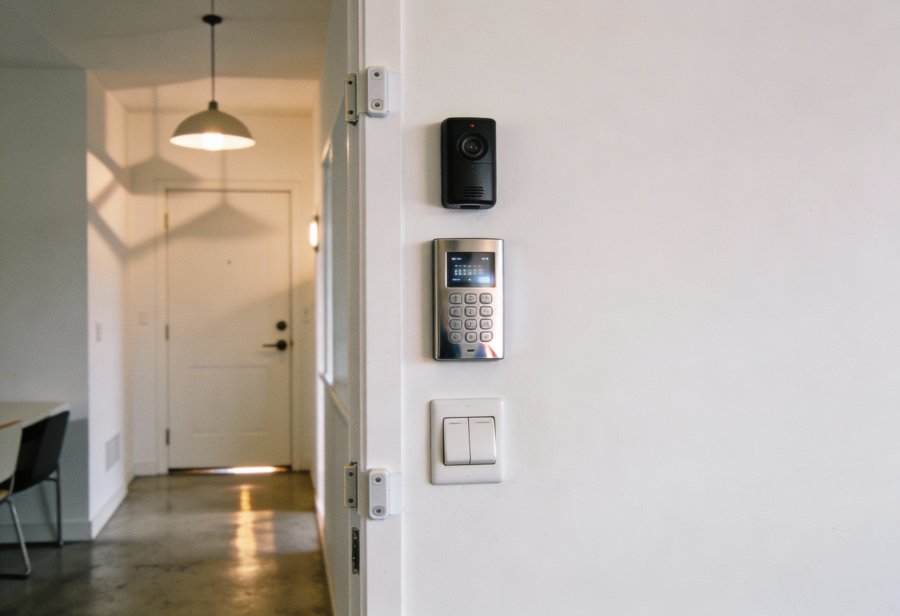
The Power of Integration: Enhancing Safety and Convenience with Remote-Controlled Solutions
Integrated remote-controlled security systems significantly reshape how families protect their homes. With instant access to live feeds and real-time alerts, homeowners can verify what’s happening both outside and inside their property at any moment. This immediate insight acts as a powerful deterrent, making it less tempting for intruders to attempt a break-in. Knowing they can check on their homes remotely provides families with a sense of control and confidence, especially during busy days or when traveling. It turns passive observation into active oversight, giving peace of mind that safety is always within reach.
These systems also streamline emergency responses, reducing the time it takes to act. When sensors detect suspicious activity—such as an unexpected door opening or movement in a restricted area—alerts arrive instantly on smartphones. Instead of waiting for someone to notice and respond, families can lock doors remotely, activate alarms, or contact authorities immediately. This rapid response can prevent situations from escalating, transforming home security from a reactive measure into a proactive shield that stops threats before they fully develop.
The topic is expanded upon in Revolutionizing Home Security with Smarter Connected Solutions, an article by Jens Williams on Fantasy Quest Pro.
Convenience is a major driver behind the popularity of these solutions. Smart locks, remote door management, and automation routines mean families no longer need to worry about whether they remembered to lock up or activate security devices. They can grant or revoke access to visitors or service providers from anywhere, providing flexibility and control. Automated routines—like locking doors at night or turning on porch lights when motion is detected—integrate security into daily life seamlessly. This ease of use reduces stress and makes maintaining safety feel effortless, not burdensome.
Despite these advantages, relying solely on remote-controlled systems does come with challenges. Connectivity issues or system malfunctions can temporarily disable access or trigger false alarms, leading to frustration or diminished trust. Proper setup and regular system updates are essential to keep everything running smoothly. Some families choose professional monitoring services to add an extra layer of safety, ensuring someone is always watching and ready to respond, even if the homeowner isn’t available. This hybrid approach balances convenience with reliability.
Beyond just security, these systems foster a sense of empowerment. Families become more aware of their household routines and can adjust settings to fit changing needs. From granting temporary access to customizing routines based on schedules, they create a personalized security environment that feels tailored and responsive. This adaptability transforms security technology from a static barrier into an integrated part of everyday life, making safety proactive, intuitive, and less intrusive.
As technology advances, the influence of remote-controlled security will only deepen. Future systems will likely become smarter and more predictive, analyzing activity patterns and responding automatically. They’ll communicate seamlessly within a broader connected home ecosystem, providing an even higher level of safety and convenience. This ongoing evolution means families can stay one step ahead of potential threats, enjoying a safer, more connected home environment that adapts to their lifestyle and the unpredictable world around them.
Bringing Security to Life: Practical Applications and Home Implementation Strategies
Implementing modern home security technologies is often simpler than many realize. Most households begin by assessing their specific needs—considering property size, daily routines, and particular concerns like remote monitoring or quick access. From there, selecting devices such as smart cameras or sensors typically involves straightforward steps guided by clear instructions from manufacturers. Many products are designed for DIY installation, relying on Wi-Fi connections and user-friendly apps that walk homeowners through setup. This approach allows families to enhance their security quickly and without professional assistance, making advanced features accessible to those with limited technical experience.
Once installed, managing these systems becomes intuitive through smartphone or tablet interfaces. With a few taps, homeowners can view live footage, receive instant alerts, and customize settings remotely. Routine tasks like locking doors, activating alarms, or adjusting lighting can be scheduled or triggered automatically, fitting seamlessly into daily life. For example, families might program locks to secure the house at night or set motion-activated lights to turn on when arriving home after dark. These practical features turn complex technology into reliable tools that enhance security while minimizing hassle.
To see how this applies in practice, refer to Kie Russell‘s article Revolutionizing Home Security with Smart Remote Control Systems on The North Shore.
However, deploying these systems requires ongoing attention. Connectivity issues, such as Wi-Fi outages, can temporarily disable remote access or cause false alarms. Regular maintenance, including changing default passwords and updating firmware, is crucial to keep the system functioning smoothly and securely. Some households prefer professional installation, especially when integrating multiple devices or creating customized routines, ensuring the system operates at peak performance from the start.
Cost can be a consideration, too. Entry-level devices are often affordable and easy to set up, but adding advanced features or subscribing to cloud services can increase expenses over time. Weighing these costs against the benefits of increased peace of mind helps families make informed choices. Planning for future upgrades or periodic reviews of the system’s performance can extend its lifespan and adapt it to evolving needs.
Successful integration relies on regular engagement. Periodically reviewing device logs, testing alarms, and staying current with software updates ensure reliability and security. Educating household members on system operation and response protocols prevents missteps and maximizes safety. When managed thoughtfully, modern security systems become practical, dependable parts of everyday life, providing reassurance and protection without disrupting routines.
By approaching installation and management with a strategic mindset, families can transform security from a passive measure into an active, adaptive safety network. Careful planning, routine upkeep, and staying informed about new features enable these systems to serve as effective guardians, seamlessly blending into daily routines and offering peace of mind in an increasingly connected world.
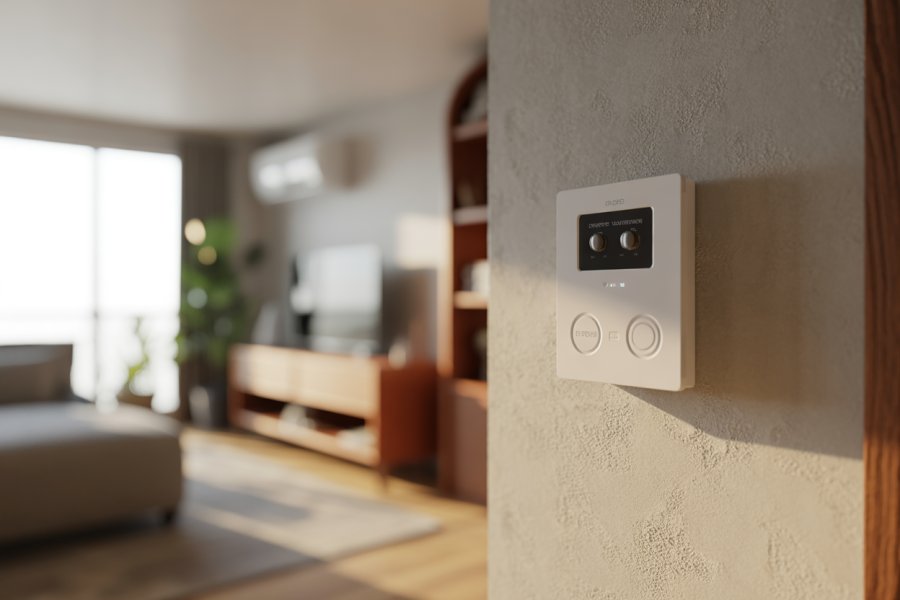
Looking Ahead: Innovations, Challenges, and the Future of Home Security
As home security technology continues to advance rapidly, the landscape is shifting toward smarter and more integrated solutions that go beyond simple deterrence. Artificial intelligence and the Internet of Things are paving the way for systems that are more intuitive, predictive, and tailored to individual household routines. AI can analyze activity patterns and identify anomalies before a threat fully materializes, while IoT devices communicate seamlessly, creating a truly connected home environment. These innovations will enable homes to respond proactively rather than reactively, elevating safety and convenience to new levels.
Cybersecurity will become even more critical as these interconnected systems grow more complex. Manufacturers will need to prioritize robust protections against hacking and data breaches, ensuring privacy is safeguarded alongside safety. Regular software updates, encryption, and user education will be vital to maintaining trust and system resilience. Balancing ease of use with security will remain a key challenge, but the goal is clear: homes that are not only smarter but also safer.
Despite the rapid pace of innovation, the core purpose of home security remains unchanged: protecting families and loved ones from the growing complexity of household threats. Today’s solutions, with their real-time monitoring, remote control, and automation features, already significantly enhance safety. Looking ahead, these systems will become more user-friendly, reliable, and customizable, allowing families to tailor their security environment with minimal hassle. Small upgrades—such as adding new cameras or updating firmware—can extend the lifespan and effectiveness of your setup, keeping it adaptive to changing needs.
The future of home security is likely to feature increasingly seamless integration, with devices that learn and adapt to household habits. Predictive analytics and automation will make security more proactive, reducing false alarms and enhancing response times. As systems evolve, they will not only deter intruders but also anticipate and address potential risks before they escalate, transforming homes into dynamic safety ecosystems.
Staying informed about emerging trends and investing in reputable, adaptable products will be essential. Regularly reviewing and upgrading your security setup ensures it remains resilient against evolving threats. Viewing security as an ongoing process rather than a one-time purchase keeps your home protected and responsive. This mindset turns technology into a true partner in safeguarding your loved ones.
Ultimately, the goal is to create homes that are safer, smarter, and more responsive to life’s unpredictable challenges. These innovations will empower families to enjoy greater peace of mind, knowing their safety is actively managed and constantly improving. As new features develop, they will make home security more intuitive, effective, and integrated into everyday life—delivering the reassurance that comes from knowing your home is prepared for whatever the future holds.
Adopting new security technologies doesn’t mean replacing everything overnight. Small, strategic upgrades can significantly enhance your existing system, integrating advanced features without overwhelming your routines. Regular maintenance, staying updated, and exploring new tools will help your home remain resilient and adaptable over time. This ongoing approach ensures your security setup evolves alongside your needs, fostering confidence and peace of mind.
The future of home security isn’t just about gadgets; it’s about creating environments that are safer, more connected, and more responsive to individual lifestyles. With continuous innovation, families will benefit from systems that are easier to manage, more predictive, and capable of addressing household risks before they become threats. Embracing this evolution means turning security into an effortless part of daily life, providing a truly protected home for generations to come.