When your car needs fixing, do you choose the quick, cost-effective route of DIY repairs, the convenient on-site service of a mobile mechanic, or the comprehensive expertise of a full-service garage? Each option offers distinct advantages and risks—DIY can save money but risk costly mistakes without proper tools or knowledge, while mobile mechanics provide on-demand convenience for routine tasks. In contrast, garages handle complex, safety-critical repairs with advanced equipment and skilled technicians. As automotive technology evolves with electric vehicles and digital diagnostics, the industry is shifting toward smarter, more connected solutions. Will your next repair be a simple fix, or require specialized skills? Understanding these trends and choosing the right approach based on the problem’s complexity can ensure your vehicle’s safety, save money, and extend its lifespan. Are you equipped to navigate this evolving landscape of auto repair?
Choosing Your Best Car Repair Option: DIY, Mobile, or Garage
When your car starts acting up, the options for fixing it are clearer than ever. You can roll up your sleeves and do the repairs yourself, call a mobile mechanic to come to your location, or take your vehicle to a traditional garage. Each choice has its strengths, and knowing which one fits the job at hand makes all the difference in saving time, money, and stress.
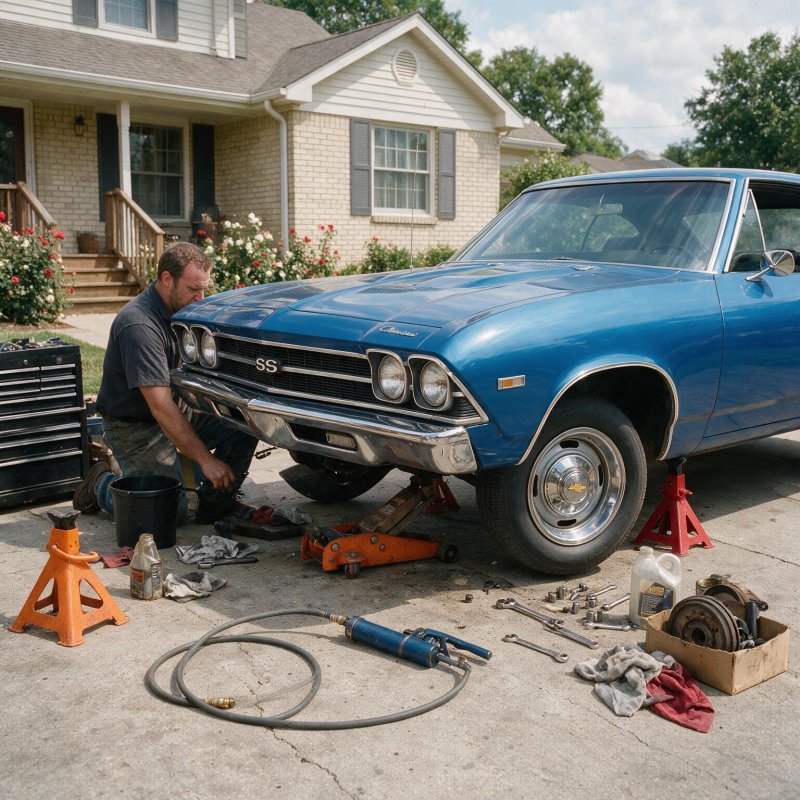
DIY repairs are a popular route for many car owners. Tasks like changing oil, swapping out filters, or replacing brake pads are manageable for those with basic tools and some confidence. Not only does this approach save money, but it also provides a satisfying sense of accomplishment and a better understanding of your vehicle. Plus, you can do these jobs on your own schedule, avoiding shop hours and waiting times.
However, not every repair is suited for DIY. More complex jobs—like working on the electrical system, replacing timing belts, or handling engine repairs—often require specialized tools and expertise. Attempting these without proper knowledge can lead to costly mistakes, safety hazards, or even void your vehicle’s warranty. Be honest with yourself about your skill level and the difficulty of the task before diving in.
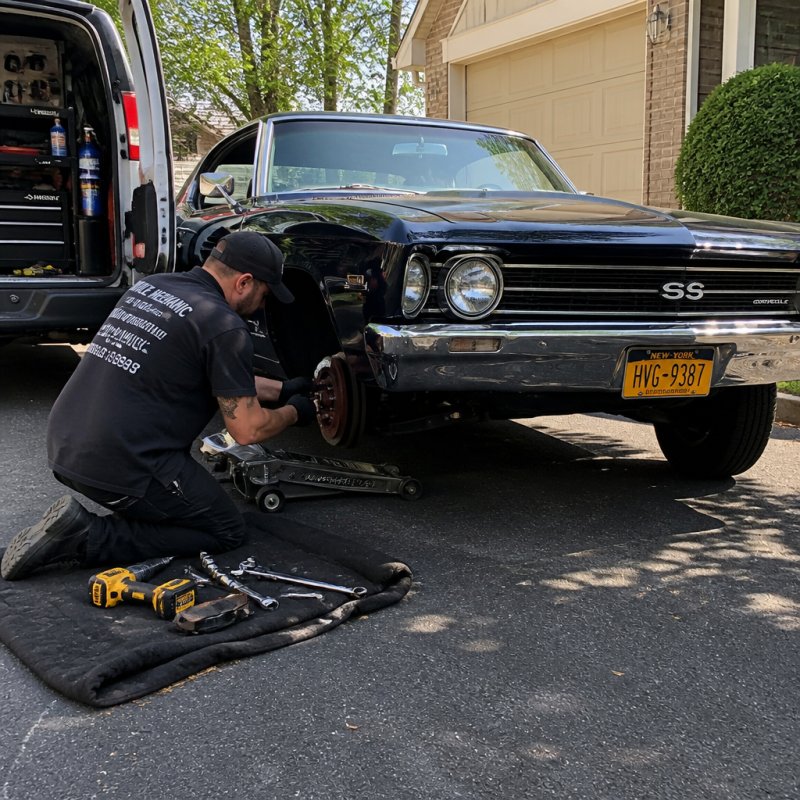
Mobile mechanics offer a convenient middle ground. They come to your home, workplace, or wherever you need, handling many routine repairs on-site. This saves you the hassle of towing or waiting in a shop and offers a more personal touch. They’re typically best for straightforward jobs like battery replacements, brake work, or fluid changes, where their tools and parts are sufficient.
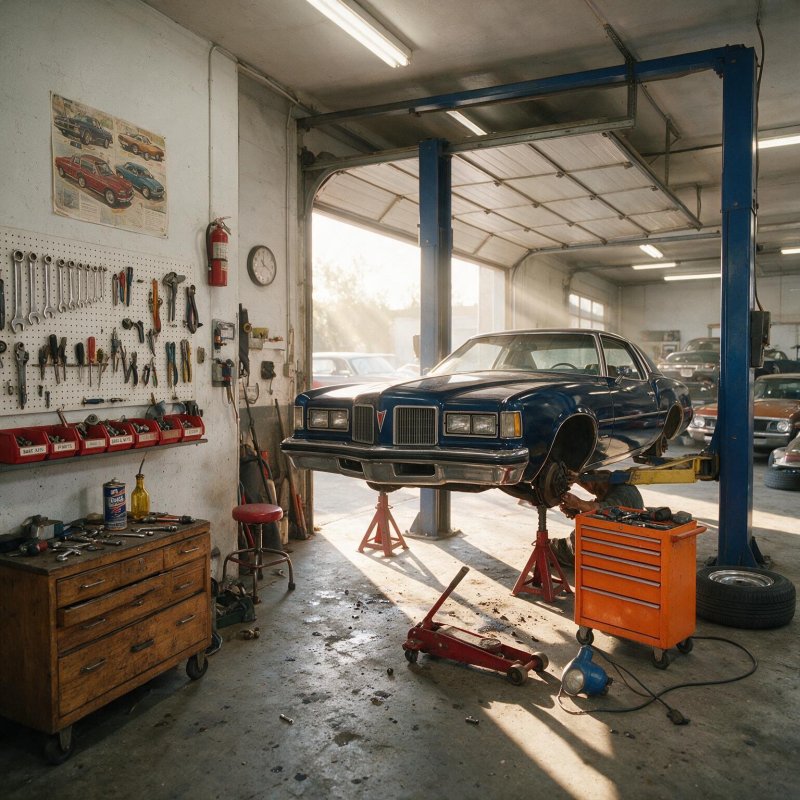
For more involved repairs—like engine overhauls, transmission work, or repairs that require lifting the vehicle—full-service garages are still the safest bet. These shops have the equipment, such as lifts and diagnostic scanners, and the skilled technicians needed to handle complex issues thoroughly. Though this option may be more expensive and require scheduling, it ensures your car gets the proper attention and safety checks.
Choosing the right repair method depends on the problem, your experience, and your resources. Simple maintenance tasks and minor repairs are often perfect for DIY, especially if you’re just starting out. Routine fixes like battery swaps or fluid top-offs work well with mobile mechanics. But when the repair involves safety-critical systems or complex electronics, trusting a professional garage is usually the best move.
Understanding the strengths and limitations of each option helps you make smarter decisions. The goal is to keep your vehicle running smoothly and safely without unnecessary costs or risks. Whether you’re tackling a quick DIY fix, calling a mobile mechanic, or visiting a trusted garage, matching the method to the job is key to staying safe on the road.
Exploring the Spectrum of Car Repair Methods
Car repairs and maintenance can be approached in several ways, each suited to different needs and situations. The most straightforward method is DIY, where you handle simple tasks like changing oil, replacing filters, or swapping out brake pads. This approach is accessible to many car owners and offers the benefits of saving money and gaining a better understanding of how your vehicle works. With basic tools and a bit of patience, you can perform routine maintenance on your schedule, avoiding the wait times and costs associated with professional shops.
However, not all repairs are suitable for DIY efforts. More complex jobs—such as working on the electrical system, replacing timing belts, or repairing the engine—often require specialized tools and expertise. Attempting these without proper training can lead to costly mistakes, safety hazards, or even void your warranty. Recognizing your skill level and the complexity of the task is essential to avoid making problems worse. For those unfamiliar with intricate procedures, trusting a professional is often the safest and most reliable choice.
The article Mastering Car Repairs: When to DIY and When to Call a Pro by Quin Wade on Sit Tight Now explores this subject in more detail.
Mobile mechanics provide a convenient alternative that bridges the gap between DIY and full-service garages. They come to your home, office, or any preferred location, handling many routine repairs on-site. Tasks like battery replacements, brake work, or fluid changes are often well within their capabilities, saving you the hassle of towing or waiting in a shop. While their tools and parts are limited compared to a full garage, their flexibility makes them an appealing option for straightforward repairs and quick fixes.
Full-service garages remain the best option for more involved issues. Equipped with lifts, diagnostic scanners, and specialized tools, they can tackle complex repairs safely and thoroughly. Technicians at these shops possess the training and experience to handle engine overhauls, transmission repairs, and safety-critical systems. Although this route can be more expensive and requires scheduling, it offers peace of mind that your vehicle receives expert attention, especially when safety or warranty concerns are at stake.
Choosing the right repair method depends on the type of problem, your skill level, and your resources. Simple maintenance and minor repairs are often ideal for DIY efforts, while routine fixes that don’t require heavy equipment suit mobile mechanics. For complex or safety-related repairs, professional garages ensure the job is done correctly and safely. Balancing these options based on the repair’s scope helps keep your vehicle running smoothly, reliably, and safely.
Trust Hirji Auto Repairs for Expert Car Maintenance in Thornhill
Looking for reliable auto service in Thornhill, Ontario? Hirji Auto Repairs is your trusted family business specializing in basic maintenance, brake service, tune-ups, wheel alignments, and more. Need new brakes or tires? We offer quick and professional service to get you back on the road safely. Our team provides fast oil change and comprehensive vehicle care tailored to your needs. Visit us at 60 Green Lane, Unit #2, Thornhill, Ontario, or call 905-886-4404 for appointments and inquiries. Experience top-quality service with a personal touch at Hirji Auto, your local auto experts.
Industry Trends Shaping Modern Auto Repairs
Today’s auto repair industry seamlessly blends traditional methods with cutting-edge technology and evolving customer expectations. Full-service repair shops still lead the way for complex issues, thanks to their advanced diagnostic tools, specialized equipment, and highly trained technicians. These shops handle everything from engine rebuilds to transmission repairs, often backed by warranties that instill confidence in their work. Their ability to tackle intricate problems safely and thoroughly remains unmatched, especially for vehicles requiring detailed diagnostics or safety-critical repairs.
Meanwhile, mobile mechanics are gaining popularity as a flexible, customer-focused alternative. They come directly to your home, office, or preferred location, offering convenience for routine repairs like brake work, battery replacements, or fluid changes. This shift reflects a broader industry trend toward service personalization and time efficiency. With lower overhead costs, mobile mechanics often pass savings onto customers, making them a cost-effective choice for straightforward repairs.
Advances in diagnostic technology have transformed how repairs are identified and addressed. Modern shops utilize digital, computer-based systems capable of pinpointing issues quickly and accurately. Even smaller or mobile setups benefit from portable diagnostic tools, delivering near-dealer-level precision. As vehicles become more connected, technicians must stay current with software updates and electronic diagnostics, emphasizing ongoing training and adaptability within the industry.
Industry standards now emphasize transparency and building trust. Many repair shops provide detailed estimates upfront, and warranties on parts and labor have become standard practice. Digital booking platforms, remote diagnostics, and customer portals streamline communication, making scheduling and updates more convenient. These innovations help foster confidence, especially when dealing with costly repairs, by making the process clearer and more predictable.
Safety and quality remain central to industry norms. Certified technicians working in well-equipped shops are essential for complex or safety-related repairs. While mobile mechanics and DIY options offer convenience, the industry strongly advocates trusting qualified professionals for critical systems involving brakes, steering, and electronics. This focus on expertise ensures vehicles remain reliable and safe long after repairs are completed.
The industry’s adaptability to new vehicle technologies is notable. Electric vehicles, hybrid systems, and advanced driver-assistance features are reshaping repair practices. Technicians now need specialized training in high-voltage systems and software diagnostics, driving continuous evolution in service offerings. Shops that keep pace with these changes provide better, safer solutions for their customers in an increasingly electrified automotive landscape.
This theme is discussed in greater detail in Pat Bishop‘s article Choose the Best Car Repair Method for Safety and Savings on Better Bricks Masonry.
Digital platforms and remote diagnostics are further changing repair dynamics. Connected cars allow technicians to assess problems remotely, often before inspecting the vehicle physically. This approach reduces wait times, improves diagnostic accuracy, and enhances transparency. As vehicle connectivity expands, digital tools will become standard, making repairs faster, more efficient, and less disruptive for owners.
Overall, the industry is trending toward smarter, more integrated repair solutions that prioritize safety, transparency, and convenience. The most successful shops and mechanics are those embracing technological advances while maintaining high standards of expertise. For consumers, understanding these trends helps in choosing the right service provider—one that balances skill, tools, and trust to keep vehicles safe and reliable on the road.
Applying Repair Strategies in Real-Life Scenarios
When applying repair methods in real-life situations, the key is matching the approach to the specific problem. For simple tasks like replacing windshield wipers or topping off fluids, many car owners find it easiest to handle these themselves. These small jobs require minimal tools and skill, making them quick, cost-effective ways to keep your vehicle in good shape. Plus, tackling these repairs builds confidence and helps you better understand your car’s systems, which can be useful for future maintenance.
For slightly more involved but still manageable repairs, mobile mechanics are a practical choice. Imagine your car’s battery dies on a busy weekday—calling a mobile mechanic to come to your home or office can save hours of inconvenience. They can handle jobs like brake pad replacements, fluid changes, or minor electrical fixes on-site, saving you from towing or waiting in a shop. This convenience often outweighs the limited scope of their tools and parts, making them ideal for routine repairs.
This perspective is expanded in Malcolm Jones‘s article Smart Car Repair Choices to Save Money and Stay Safe on The North Shore.
When problems involve complex systems—such as engine rebuilds, transmission repairs, or safety-critical components—the full-service garage remains the safest and most reliable option. These shops have specialized equipment like lifts and diagnostic scanners, along with technicians trained to handle intricate issues thoroughly. Although repairs here tend to be more expensive and require scheduling, the peace of mind that comes with expert work is worth it, especially when safety and warranty coverage are involved.
Choosing the right approach depends on understanding the scope of the repair and your own comfort level. Basic maintenance like changing oil or replacing filters is perfect for DIY, especially if you’re just starting out. Routine repairs that don’t need heavy equipment, like battery swaps or fluid top-offs, are well-suited for mobile mechanics. For anything involving safety systems, electronics, or major components, relying on a professional garage ensures your vehicle remains safe and reliable.
Often, combining these options offers the best results. Handling simple tasks yourself saves money and time, while mobile mechanics can address small repairs efficiently without the hassle of towing. Reserve the garage for the most complex or safety-critical issues, where expert tools and skills are essential. Recognizing which method fits each scenario helps you keep your car running smoothly, safely, and cost-effectively.
By understanding how each repair option applies in real-world situations, you can make smarter decisions that align with your needs and resources. This balanced approach minimizes risks, maximizes safety, and extends your vehicle’s lifespan. Whether you tackle a quick fix, call in a mobile expert, or trust a full-service shop, knowing when and how to use each method keeps you confidently in control on the road.
Gazing into the Future: Innovations and Evolving Repair Practices
The future of car repairs is set to be reshaped by rapid technological advancements and shifting industry practices. As electric vehicles gain prominence, repair methods will need to evolve to address high-voltage batteries, electric drivetrains, and complex onboard electronics. Technicians will require new skills in digital diagnostics and high-voltage systems, prompting repair shops and mobile mechanics alike to adapt quickly. Staying ahead of these technological changes will be essential for providing safe, reliable service in an increasingly electrified automotive world.
Automation and robotics are beginning to influence how repairs are performed. Robots now assist with repetitive tasks like parts assembly, testing, and even some diagnostics, promising greater precision and faster turnaround times. This integration can lead to more consistent quality and reduced human error, especially at high-volume centers. However, it also raises questions about the role of skilled technicians who can interpret data, troubleshoot unexpected issues, and handle complex repairs that machines aren’t yet capable of managing.
Connected vehicles are transforming the repair landscape through digital platforms and remote diagnostics. Mechanics can assess problems before even inspecting the car physically, using telematics and onboard software. This approach streamlines the repair process, cuts down waiting times, and enhances transparency for owners. As vehicle connectivity continues to expand, digital tools will become standard, making diagnostics more accurate and repairs more efficient, ultimately reducing inconvenience and costs for consumers.
The increasing reliance on software and electronic systems means future technicians will need to master coding, software updates, and electronic troubleshooting. Repairing modern cars involves working with onboard computers, sensors, and communication networks—skills that demand ongoing training and familiarity with the latest technology. Consumers will benefit most from providers who stay current with these developments, ensuring their vehicles remain safe, functional, and up-to-date throughout their lifespan.
Alongside these innovations, safety and quality standards are poised to tighten further. Certification requirements will likely evolve to include new skills related to high-tech systems, emphasizing the importance of working with qualified professionals. For car owners, this means that for complex repairs involving safety-critical systems or advanced electronics, trusting a reputable, certified technician will be more crucial than ever. Keeping informed about these industry shifts helps ensure your vehicle remains dependable, safe, and efficient for years to come.