America’s enduring fascination with charismatic showmen—whether in medicine or politics—reveals a deep-rooted desire for quick, simple solutions in a complex world. From Clark Stanley’s theatrical snake oil demonstrations to Donald Trump’s rally-driven campaigns, spectacle and emotional storytelling have long eclipsed substance. But what lies beneath this pattern? Are we genuinely seeking genuine change, or are we comforted by illusions that promise instant relief? The history of snake oil illustrates how authenticity can be overshadowed by drama, transforming real remedies into symbols of deception. This cultural tendency to favor spectacle over nuance fuels political polarization, fostering environments where loyalty often trumps critical thinking. Recognizing these patterns is crucial: fostering media literacy, transparency, and community resilience can help us discern truth from illusion, steering society towards meaningful progress. Is our love for showmanship masking a deeper craving for real cures—or are we simply seduced by the spectacle itself?
Quick Navigation
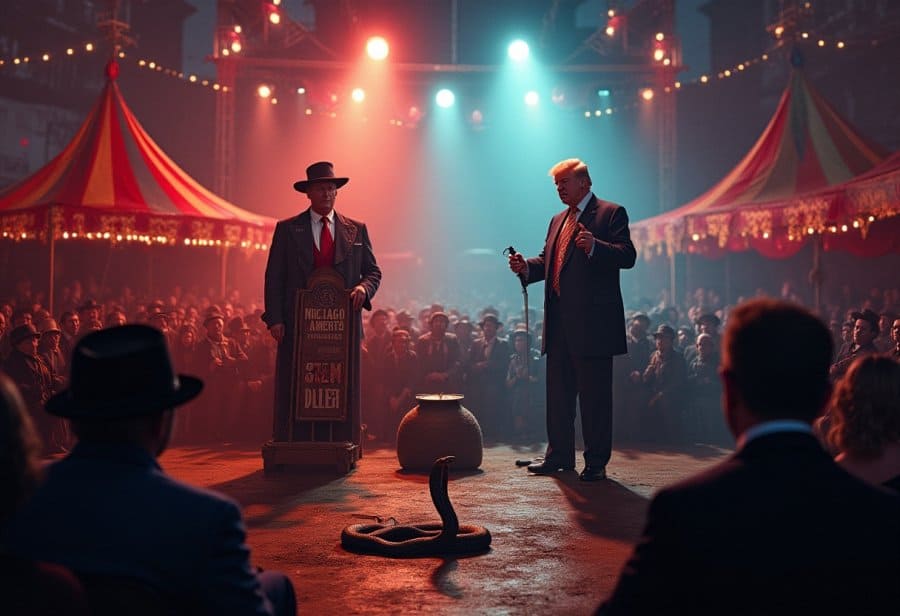
Unveiling America’s Longstanding Fascination with Charismatic Leaders and Simple Solutions
America’s fascination with charismatic figures and simple solutions isn’t a recent trend; it’s woven into the very fabric of our culture. From the earliest days of the nation, people have been drawn to leaders and entertainers who promise quick fixes and grand promises to complex problems. This urge stems from a deep human desire for certainty and reassurance, especially when faced with chaos or uncertainty. We tend to believe that someone speaking with confidence and charm can cut through confusion and offer clarity.
This pattern isn’t limited to politics or medicine—it’s a recurring theme across history. In the 19th century, medicine shows used spectacle and storytelling to sell miracle cures, creating memorable experiences that stirred hopes for relief. Similarly, political campaigns grew more theatrical, turning rallies into entertainment designed to foster emotional loyalty rather than detailed debate. Charismatic figures understand that emotional connection often outweighs facts, offering followers a sense of understanding and hope in a complicated world.
What makes this pattern so enduring is how it taps into fundamental human hopes. When societal upheaval or personal struggles arise, many seek simple solutions that promise immediate relief. Charismatic leaders craft identities that seem authentic and trustworthy, whether they’re selling snake oil or making political promises. These quick fixes serve as psychological balm, soothing fears in a world that often feels overwhelming, even if they mask deeper issues.
This obsession with spectacle and easy answers raises important questions about what we truly want from our leaders. Are we genuinely seeking real change, or do we prefer illusions that make us feel secure? The line between authentic solutions and clever deception can be blurry, making it essential to examine why we are so often seduced by charisma and spectacle rather than substance.
From Spectacle to Speech: The Origins of American Showmanship and Charisma
The roots of American showmanship stretch back to the 19th century, shaping how leaders, entertainers, and healers captivated audiences long before modern media. Medicine shows became a staple of rural entertainment, blending spectacle with promises of quick health cures. These traveling performances relied heavily on drama, daring tricks, and storytelling—think Clark Stanley, the “Rattlesnake King,” theatrically plunging his hand into a sack of rattlesnakes and slicing them open to demonstrate his miracle remedy. Such shows weren’t just about selling medicine; they created memorable experiences that stirred hopes for relief through performance art.
This tradition of spectacle didn’t stop at medicine. Campaign rallies in the 19th and early 20th centuries grew more elaborate to energize supporters. Politicians adopted entertainment techniques—music, banners, theatrical staging—turning events into emotional spectacles designed to foster loyalty rather than just convey policy. As media evolved, these rallies became larger and more choreographed, emphasizing emotion and identity over detailed debate. Charismatic figures understood that audiences respond more to drama and relatable personas than to facts, using showmanship to build trust and allegiance.
The history of medicine shows reveals that Americans have long been drawn to quick fixes. Authentic snake oil, made from Chinese water snakes, was a real remedy used by laborers to treat arthritis. Its inclusion in traditional medicine shows that not all cures called “snake oil” were fake; some had genuine medicinal value. However, figures like Clark Stanley hijacked the term, turning it into a symbol of fraud. Their theatrical performances and exaggerated claims created a lasting myth—spectacle overshadowing substance.
Both medicine shows and political rallies share a core tactic: simplifying complex issues into compelling narratives that evoke emotion and trust. Charismatic leaders craft identities that seem authentic, even if they are carefully curated. They understand that emotional resonance often outweighs factual accuracy, making spectacle a powerful tool for forging loyalty. This pattern explains why America’s showmanship remains a staple in shaping public perception and allegiance.
Snake Oil Myths and Truths: Tracing the Roots of Genuine Medicine and Deception
The story of snake oil is more complex than the simple image of a fraudulent cure. Many don’t realize that, historically, snake oil was a legitimate medicine brought to America by Chinese laborers in the 19th century. Made from Chinese water snakes, it was rich in omega-3 fatty acids that helped reduce inflammation and soothe joint pain. For those suffering from arthritis or bursitis, this oil offered genuine relief when applied topically. It’s a reminder that not all cures labeled as “snake oil” are fake—sometimes, the origins are rooted in authentic medicinal practices.
Problems arose when American vendors, like Clark Stanley, hijacked the name and turned it into a spectacle. Stanley falsely claimed to have learned sacred healing secrets from Hopi medicine men, stories he invented to lend credibility. Instead of a true remedy, he peddled a concoction of fat, spices, and turpentine, claiming it could cure everything from rheumatism to paralysis. His theatrical acts—handling rattlesnakes and speaking with mystical flair—created an illusion of authenticity that masked the product’s lack of real healing power.
This deception lies at the heart of the snake oil myth. While the original Chinese water snake oil had medicinal value, the American version became a symbol of fraud—an emblem of false promises. The phrase “snake oil” now signifies deception, but its roots are in a genuine remedy that served real purposes. The spectacle and storytelling used to promote it show how easily truth can be overshadowed by drama and marketing.
Humans have a deep craving for quick, easy solutions—especially in an unpredictable world. The allure of miracle cures and simple fixes makes it tempting to believe in instant relief, even when the reality is far messier. Charismatic showmen and healers craft narratives that evoke hope, often turning genuine remedies into symbols of deception for profit.
Recognizing the roots of snake oil helps us see the thin line between authentic medicine and trickery. Sometimes, what appears to be a scam is based on a kernel of truth, twisted and exaggerated for effect. This history reminds us to be cautious, questioning claims that sound too good to be true, especially when they’re wrapped in spectacle.
The enduring fascination with snake oil shows how deeply society longs for solutions that promise to make life easier. Whether in health or politics, the story reflects a collective hope that problems can be solved overnight—sometimes at the expense of truth and nuance. It’s a timeless dance between genuine care and clever deception, played out on stages big and small.
By understanding these origins, we become better equipped to discern genuine cures from empty promises. Critical thinking and a healthy skepticism are our best tools against falling for spectacle-driven deception. Recognizing the spectacle behind the snake oil enables us to focus on real solutions—those that require effort, patience, and integrity rather than showmanship.
In the end, the snake oil story is a mirror of our own hopes and fears. It reveals how easily we can be captivated by charm and spectacle, even when the substance is lacking. Embracing honesty, transparency, and evidence-based solutions helps us move beyond illusion, fostering trust in genuine progress rather than fleeting tricks. Recognizing this dynamic keeps us vigilant, ensuring we don’t buy into the next great spectacle that promises quick fixes in a complicated world.
Understanding the historical evolution of snake oil highlights how easily genuine remedies can be transformed into symbols of deception. This awareness encourages us to critically evaluate health claims and seek out credible information. For a deeper look into how snake oil became a symbol of fraud, you can explore this detailed article on Snake Oil Became a Symbol of Fraud.
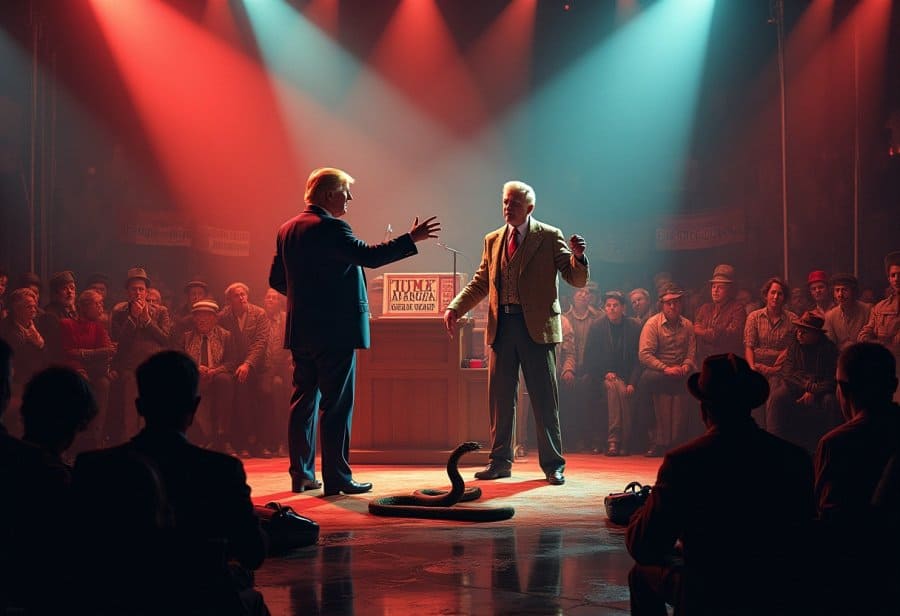
Spectacle in Politics: How Emotion and Showmanship Shape Society and Democracy
The influence of spectacle and emotional persuasion on American society and politics runs deep, shaping perceptions and behaviors in ways that often bypass critical thinking. These tools transform complex issues into memorable moments, relying more on stirring images and rhetoric than on detailed understanding. Campaign rallies, televised debates, and social media feeds are now arenas where emotion takes center stage, energizing supporters and swaying opinions through feelings like pride, fear, and hope. This emotional focus can deepen divisions, as voters respond more to charismatic personalities and simple narratives than to nuanced policy discussions.
Throughout history, figures like Clark Stanley and Donald Trump demonstrate how showmanship can dominate leadership. Stanley’s rattlesnake spectacle drew crowds with daring acts, turning medicine into entertainment. Decades later, Trump’s rallies echo revival meetings—colorful, emotionally charged shows designed to forge identity and loyalty. Both understood that audience engagement hinges on drama and relatable personas more than facts, making spectacle a powerful tool for building trust and allegiance.
This reliance on entertainment shapes democracy itself. When political messages are delivered as performances, they often prioritize loyalty and emotion over factual accuracy. Elections become less about policy and more about personalities, fostering environments where superficial appeal outweighs substantive debate. This dynamic risks turning civic discourse into spectacle, where feelings often override reason, and loyalty is rooted in identity rather than shared values or evidence.
Charismatic leaders craft identities that seem authentic and protective, resonating deeply with collective fears and hopes. Their stories and gestures forge emotional bonds that can overshadow critical evaluation, creating a political landscape where surface appearances matter more than truth. Such reliance on spectacle can distort priorities, making it easier for manipulative figures to thrive by appealing to emotion rather than reason.
This pattern influences societal attitudes beyond politics, affecting how we perceive truth and progress. When visual storytelling and emotional appeals dominate, nuanced discussions give way to slogans and soundbites. Public discourse risks becoming superficial, which can foster cynicism and disengagement. Over time, this environment rewards surface-level showmanship, often at the expense of genuine understanding and meaningful change.
Understanding the role of spectacle and emotion in shaping society highlights the importance of fostering critical thinking and media literacy. Equipping individuals with the tools to analyze sources and question emotional appeals makes society less vulnerable to deception. Building resilience through education and open dialogue encourages a culture that values authenticity and long-term solutions, helping to counteract the seduction of superficial spectacle and ensure a more informed, engaged citizenry.
The Cultural Habit of Quick Fixes: Beliefs in Miracle Cures and Instant Results
Throughout American history, a persistent belief in quick fixes and miracle cures has shaped both social attitudes and political strategies. From the days when medicine shows promised instant relief to today’s slogans that tout rapid results, there’s a deep-rooted hope that complex problems can be solved effortlessly. This mindset reflects a broader cultural tendency to seek control and reassurance amid uncertainty, favoring simple, accessible solutions over long, uncertain efforts.
Politicians exploit this craving for immediate results by offering straightforward answers to complicated issues. Leaders craft messages that promise to “fix” everything with a single policy or slogan, tapping into our collective desire for certainty. During times of economic hardship or social upheaval, the appeal of quick relief often outweighs the patience required for meaningful change, reinforcing the allure of easy solutions.
The appetite for miracle cures influences how society approaches progress. Instead of valuing persistence and gradual improvement, many prefer tangible, fast outcomes. This preference fuels support for policies promising immediate results, often at the expense of sustainable, long-term strategies. It’s easier to believe in a quick fix than to accept that lasting change demands ongoing effort and patience.
Media and advertising play a significant role in reinforcing this pattern. Sensational stories and catchy slogans attract attention more effectively than detailed explanations. This environment encourages superficial solutions and fosters skepticism toward long-term planning, making quick fixes seem more urgent and attractive.
In health and wellness industries, products promising to cure everything from arthritis to cancer flood the market. Their widespread appeal lies in the hope that health and happiness can be restored with minimal effort. Whether in medicine or politics, the desire for miracle cures persists because they offer comfort in a complex, unpredictable world.
This tendency isn’t just about individual beliefs; it shapes collective behaviors. The cultural preference for instant solutions fosters impatience and a distrust of gradual progress. It encourages a cycle where quick fixes are eagerly embraced, even when evidence suggests they’re unlikely to deliver lasting results.
Recognizing this pattern helps us understand why society continues to chase after easy answers. The allure of rapid results often blinds us to the importance of patience, nuance, and sustained effort. It reminds us that genuine change rarely comes overnight and that critical thinking is essential to distinguish between real solutions and superficial remedies.
Recognizing and Countering the Allure of Spectacle: Strategies for Critical Engagement
Understanding why snake oil salesmanship still appeals today involves recognizing how spectacle, emotion, and simple messages often overshadow the complexities of real issues. To counteract this, education plays a crucial role. Teaching critical thinking and media literacy from an early age empowers people to question superficial claims and spot manipulative tactics. When individuals learn to analyze sources and identify bias, they become less vulnerable to deception. Fostering a skeptical mindset isn’t about dismissing charisma but about demanding evidence and asking tough questions.
Building community resilience starts with awareness. Local organizations, educators, and leaders can run outreach programs that emphasize the importance of questioning what they see and hear. Creating open spaces for dialogue—where diverse perspectives are valued—helps cultivate a culture of inquiry. When people are equipped to recognize emotional appeals and exaggerated stories, they’re less likely to fall for false promises. This collective effort creates a shield against spectacle-driven deception.
Promoting critical thinking also involves nurturing curiosity. Schools and community programs should emphasize asking “why” and “how,” rather than accepting claims at face value. Teaching logic, scientific reasoning, and source evaluation empowers individuals to challenge superficial narratives and resist manipulation. While it’s a gradual process, fostering these skills builds a society that values depth over distraction.
Transparency from leaders and organizations further reinforces trust and reduces the allure of false promises. When people see clear evidence and understand the limits of quick fixes, they’re more inclined to seek genuine solutions. Supporting fact-based journalism and holding false advertising accountable strengthen this culture of authenticity. These measures make it harder for spectacle-driven figures to deceive and more likely that real progress is recognized.
Creating an environment that celebrates authenticity over showmanship is essential. Highlighting genuine expertise and long-term efforts shifts focus away from surface-level spectacle. When communities prioritize meaningful progress and critical engagement, they weaken the grip of deception. Recognizing patterns of spectacle and learning to see through them fosters a more resilient, informed society capable of resisting the siren call of snake oil and false promises.
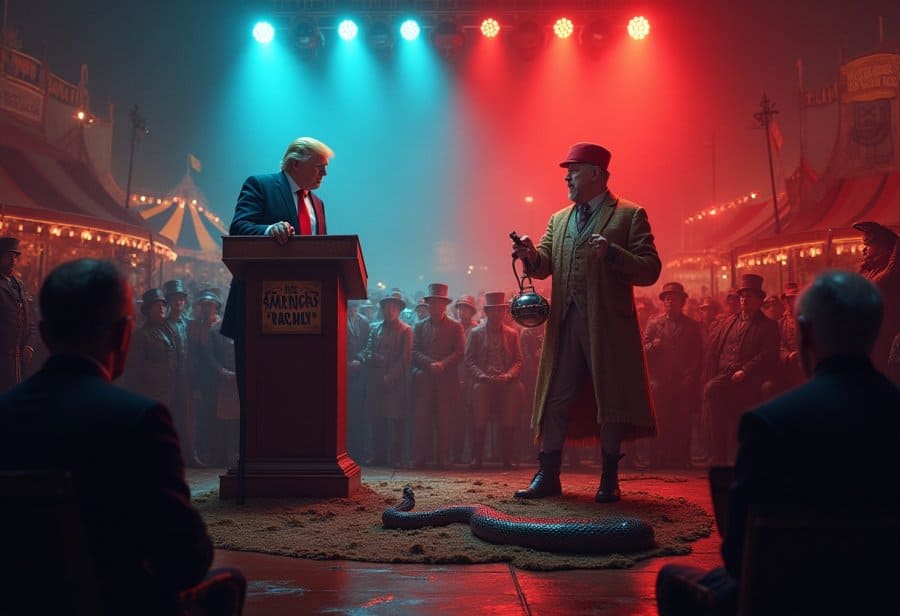
Reflections on Charisma and Illusion: Embracing Authentic Leadership and Long-Term Solutions
Our fascination with charismatic figures and spectacle in America reveals a deep-rooted psychological pattern. It’s not just entertainment; it’s a reflection of our fundamental desire for certainty and reassurance in a world that often feels unpredictable and complex. This longing fuels the persistent appeal of showmanship, whether in politics, medicine, or social life. Behind the theatrics, there’s a universal hope that someone can cut through chaos with a simple, relatable message.
This pattern isn’t new. It echoes throughout history, from 19th-century medicine shows to modern political rallies. In both cases, emotional storytelling and theatricality serve as shortcuts to trust, often overshadowing the need for critical evaluation. Charismatic leaders craft identities that seem genuine, even if carefully managed. Their speeches and gestures foster bonds rooted more in feeling than in fact-based understanding.
Understanding this tendency is crucial because it shapes how we approach leadership and information today. The allure of quick fixes can blind us to deeper issues, making us more vulnerable to deception. Recognizing these patterns helps us see through superficiality and demand more authentic engagement. It reminds us that genuine change often requires patience and nuanced effort—qualities that spectacle tends to undermine.
Reflecting on this history and psychology deepens our appreciation for why the cycle persists. It’s not just about individual personalities but about collective hopes for hope and simplicity amid chaos. This awareness empowers us to seek authenticity, critical thinking, and long-term solutions over fleeting illusions. Building a society that values substance over style is vital for a healthier democracy.
The stories of snake oil and showmanship reveal how easily charisma can mask emptiness. They highlight the importance of questioning claims that promise instant relief or quick fixes in a complicated world. Cultivating critical minds and fostering transparency are our best defenses against falling prey to spectacle-driven deception.
By recognizing the roots of our fascination, we can challenge ourselves to look beyond the surface. Embracing honesty and evidence-based approaches helps us build trust and resilience. It encourages a culture where genuine progress is valued over captivating illusions, ensuring that leadership is rooted in truth rather than entertainment.
This shift isn’t just about skepticism; it’s about cultivating a deeper understanding of what true authenticity looks like. When we prioritize integrity and transparency, we strengthen our collective capacity for meaningful change. We move closer to a society where leadership is judged by substance, not spectacle.
In the end, understanding America’s love for showmanship is a step toward a more thoughtful, engaged citizenry. It’s about balancing the power of charisma with the need for truth and nuance. Only then can we hope to foster a future where hope, authenticity, and genuine solutions go hand in hand, guiding us beyond the illusions of quick fixes toward lasting progress.